Tesla Launches Optimus Academy to Train Next-Gen Robots
The automaker is utilizing a large fleet of its own humanoid units in a dedicated training facility to generate the data needed for commercial deployment.
By Mei Ling ·
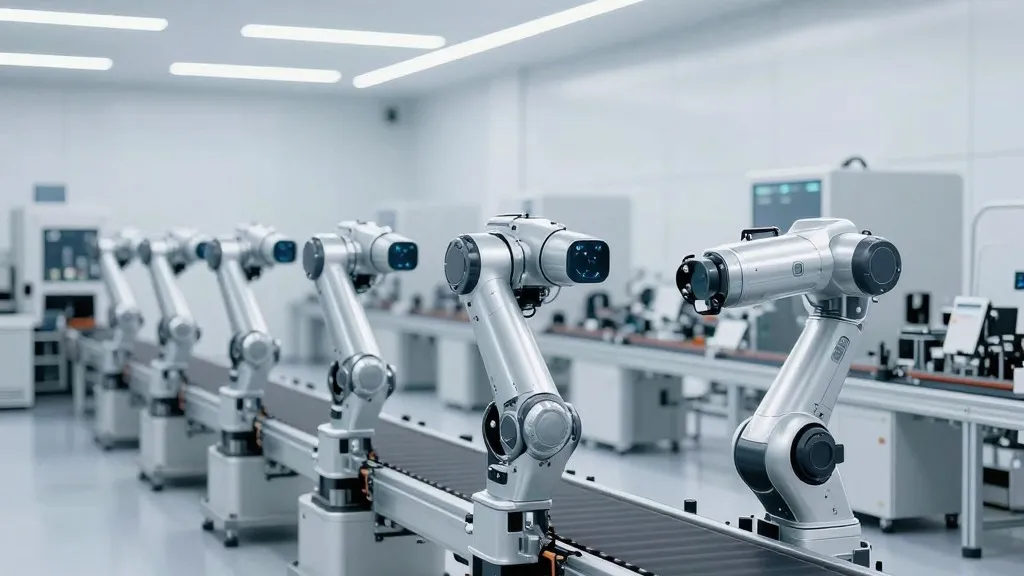
Tesla has officially begun mass-producing its Optimus humanoid robots on a dedicated high-volume line within its Fremont, California facility. The company asserts that the units rolling off this assembly line represent the first batch that meets strict production-quality standards. In its most recent shareholder letter, Tesla stated it has validated that the current manufacturing process is robust enough for a commercial product, marking a significant milestone in the transition from prototype to consumer-ready hardware.
The infrastructure for this shift was prepared earlier this year. Tesla repurposed the space previously used to build the Model S and Model X, clearing out the old vehicle production equipment in just 46 days. This clearance allowed the installation of a robot production line scaled for annual output of one million units. On Wednesday’s earnings call, CEO Elon Musk confirmed that the majority of the necessary equipment is already in place in Fremont. He projected that output will increase toward approximately 20,000 robots per week as the line reaches full operational capacity.
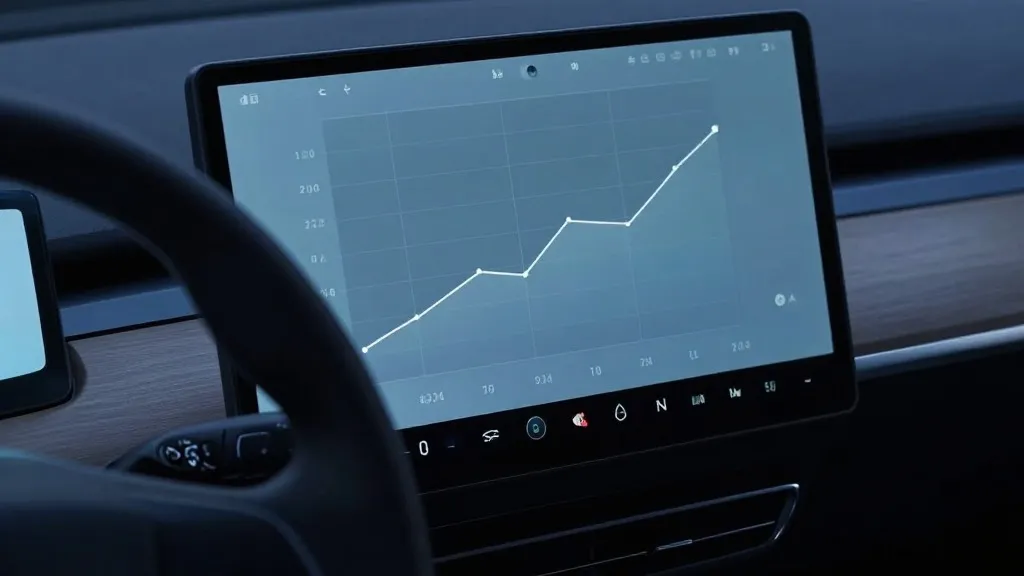
The path to full-scale production is described by Musk as a classic S-curve, characterized by an initial shallow slope followed by rapid growth. The engineering team is currently focused on refining the robot’s artificial intelligence, electromechanical components, and overall reliability. Tesla aims to complete this refinement phase by the end of next year. At that point, the company plans to begin delivering Optimus units to external businesses for roles that involve dangerous, repetitive, or around-the-clock labor.
A central challenge for Tesla has been data acquisition. Unlike its automotive division, which relies on millions of connected cars to send real-world driving data back to its AI teams, Optimus does not yet have a comparable fleet. To solve this, Tesla is implementing a concept it calls the Optimus Academy. This program will involve 10,000 to 20,000 robots practicing a diverse array of tasks. The data generated by these practice runs will be used to train and improve the next iteration of the robot’s AI model, effectively allowing the machines to teach themselves.
Hardware improvements are also on the horizon. Tesla intends to integrate its AI5 chip into Optimus units next year. Musk indicated that a new video demonstrating the robot performing tasks driven by AI rather than preprogrammed motions is expected within one or two months. He distinguished this approach from rival humanoid demonstrations, noting that scripted routines often fail to hold up in unstructured real-world environments.
The supply chain is actively supporting this expansion. In September, Tesla certified Tuopu, Joyson, and Sanhua as mass production partners for key Optimus components. Additionally, a much larger dedicated factory is currently under construction at Giga Texas. Recent drone footage shows the steel frame of this new facility nearing completion. Musk has set a long-term target for this plant to produce 10 million robots annually.
Executives noted that the production costs for Optimus are trending toward the anticipated manufacturing cost of the Cybercab, indicating that the robot is engineered for high-volume efficiency from the outset. However, the design of the robot’s hands remains the most difficult engineering challenge. This area is currently the focus of much of the development effort, a point Musk emphasized during the X Takeover event earlier this month.
Source: Teslarati